
How Sunglasses Can Protect Your Vision
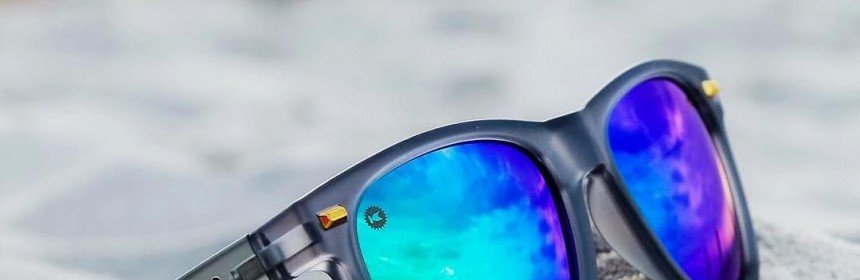
You are likely well aware of the fact that spending too much time exposed to the sun can give you a headache and even damage your eyes. Sunglasses have become increasingly popular, and for good reason. Beyond using glasses as an accessory, sunglasses are great at keeping your eyes safe.
Protection From Dangerous Rays
The main way sunglasses help protect your eyes is by protecting them from the dangerous ultraviolet rays that the sun gives off. The rays that can damage you, by either causing skin cancer or by giving you a nasty sunburn, are very intense on the body. However, these UV rays that silently damage your body cannot be detected by the human eye. Fortunately, a solid pair of sunglasses from a reputable manufacturer will usually come with a protective coating that can block out nearly all of the ultraviolet rays from coming into contact with your eyes. In addition to cutting down on ray exposure the coating can help keep you from squinting, even in particularly bright environments. You can pair the sunglasses with biofinity contact lenses to see and keep your eyes protected.
Dust Protection
If you have ever gone to the beach or the dessert you know how unsettling getting dust in your eyes can be. Running on the beach or getting in the way of the small breeze could leave you with sand or other small materials in your eyes. Beyond needing to rinse your eyes with water, the inconvenience of airborne debris coming in contact with your eye can lead to infections and small scratches on the surface of the eye. Sunglasses can act as a shield for such materials for your Lens.com contacts.


 Potassium is generally considered as an essential mineral for proper body functioning. But aside from ingesting
  If you are thinking about going on a diet, there are several things that you should consider. One of the most important aspects of a healthy weight-loss diet is the number of calories taken in each day. The average human consumes approximately 2000 calories, which is a good estimate of the energy requirement for an active lifestyle. However, if you do not have this lifestyle it will be necessary to reduce your calorie intake to compensate for the energy that your body does not use. A good starting point may be a 1500 calorie diet, which is a number that provides a reasonable step down from the typical value.